
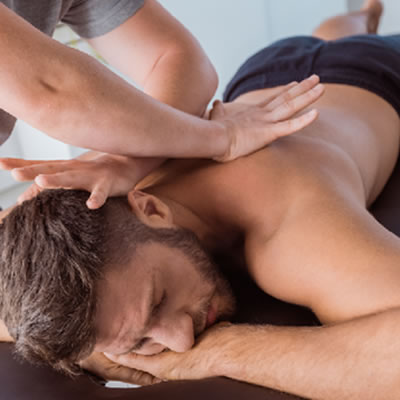
Why Do Your Shoulders Tense Up When You’re Stressed?
You’ve had a long day. Your inbox is overflowing, traffic was frustrating, and your mind is still running through everything you need to accomplish tomorrow.
Then you notice something: your shoulders are practically touching your ears.
You weren’t lifting weights or doing anything physically strenuous. Yet your neck and upper back feel tight, heavy, and uncomfortable.
Why do your shoulders tense up when you’re stressed?
Stress doesn’t affect only your thoughts and emotions. It can also influence muscle activity, breathing, sleep, and the way your body responds to everyday demands.
At Venn Chiropractic and Wellness Center in Frisco, professional massage therapy is available for people seeking relaxation and relief from everyday muscular tension, whether or not they’re receiving chiropractic care.
Why Does Stress Make Your Shoulder Muscles Tighten?
When you encounter a stressful situation, your nervous system responds by preparing your body to deal with a perceived challenge.
This response can involve changes in heart rate, breathing, attention, and muscle activity.
For some people, stress is accompanied by increased tension in the muscles surrounding the neck and shoulders.
You may unconsciously raise your shoulders, tighten your jaw, or hold your upper body in a guarded position.
If this pattern continues throughout the day, the muscles may begin to feel tired, uncomfortable, or sore.
The upper trapezius and other muscles around the neck and shoulder blades are common places where people notice this tension.
However, shoulder tightness isn’t always caused by stress. Physical workload, prolonged positions, injury, and other musculoskeletal conditions can produce similar symptoms.
1. You May Be Holding Your Shoulders Up Without Realizing It
Think about what happens when you’re concentrating intensely or dealing with a stressful conversation.
You may notice that your shoulders gradually rise toward your ears.
Holding this position requires muscle activity, even though you aren’t consciously exercising.
Over time, sustained muscle activity may contribute to fatigue or discomfort.
One simple way to recognize the pattern is to periodically check your shoulder position during the day.
Are your shoulders relaxed, or are you holding them elevated?
Awareness alone doesn’t solve every muscular problem, but recognizing unnecessary tension may help you interrupt the habit.
2. Stress Can Change the Way You Breathe
Stress sometimes changes breathing patterns.
Some people begin taking faster, shallower breaths or rely more heavily on muscles in the upper chest and neck.
Certain neck muscles can assist with breathing, particularly when breathing demands increase.
If these muscles are repeatedly recruited during stressful periods, they may contribute to the sensation of neck and shoulder tension.
Slow, comfortable breathing may help some people relax and become more aware of unnecessary muscle activity.
However, persistent breathing difficulty should not be assumed to be caused by stress or muscle tension.
3. Stress and Poor Sleep Can Reinforce Each Other
Stress can make it harder to fall asleep or stay asleep.
When sleep is disrupted, people may feel more fatigued and less able to tolerate discomfort the following day.
Muscular tension can also make it difficult to settle into a comfortable sleeping position.
This can create a frustrating pattern: stress contributes to poor sleep, and poor sleep makes everyday discomfort harder to manage.
Massage therapy may help some people feel more relaxed, and some individuals report improvements in sleep after massage.
However, massage is not a substitute for evaluating persistent insomnia or other sleep disorders.
4. Mental Stress Often Occurs Alongside Physical Inactivity
Many stressful situations also involve long periods of sitting.
You may spend hours working at a computer, attending meetings, driving, or looking down at a phone.
During these activities, your neck and shoulder muscles may remain in relatively static positions.
Even without an injury, staying in one position for a long time can contribute to muscular fatigue and stiffness.
Stress and physical loading may therefore occur together.
Someone may attribute all their shoulder tension to anxiety or a busy schedule when prolonged positioning is also contributing.
Understanding both factors can help guide practical changes.
How Can Massage Therapy Help With Stress-Related Shoulder Tension?
Massage therapy involves hands-on techniques applied to muscles and other soft tissues.
For people experiencing stress-related muscular discomfort, massage may offer several useful effects.
Temporary Relief From Muscle Tension
Massage may help reduce the sensation of tightness and discomfort in the neck, shoulders, and upper back.
Some people notice that their muscles feel less guarded or that movement feels more comfortable afterward.
Responses vary depending on the individual and the cause of the symptoms.
An Opportunity for Physical Relaxation
A massage appointment creates dedicated time away from everyday demands.
Comfortable positioning, appropriate pressure, and a calm environment may help promote relaxation.
Some studies suggest massage can reduce perceived stress and anxiety in certain settings, although the effects and strength of evidence vary.
Greater Awareness of Muscular Tension
During a massage, you may become more aware of areas where you’re holding tension.
For example, you may realize how frequently you tighten your shoulders or jaw during the workday.
This awareness can complement other stress-management habits, including movement breaks, comfortable breathing, and regular physical activity.
Do You Need Deep Pressure to Release Stress-Related Tension?
No.
One common misconception is that a massage must be extremely deep or painful to be effective.
In reality, the most appropriate pressure depends on your comfort, goals, health history, and the tissues being treated.
Some people prefer lighter, flowing techniques when relaxation is their primary objective.
Others prefer more focused pressure around areas of muscular discomfort.
Neither approach is automatically better for everyone.
At Venn Chiropractic and Wellness Center, our licensed massage therapists can discuss your preferences and adjust the session to your needs.
If a technique feels uncomfortable, communicate with your therapist so the pressure or approach can be modified.
What Can You Do Between Massage Appointments?
Massage therapy may provide useful relief, but everyday habits can also influence how frequently tension develops.
Consider the following strategies:
- Take movement breaks: Change positions regularly during prolonged computer work or driving.
- Check your shoulder position: Notice whether you’re unconsciously shrugging or bracing your upper body.
- Practice comfortable breathing: Slow breathing may help some people relax during stressful moments.
- Stay physically active: Regular activity can support general physical and mental well-being.
- Protect your sleep: A consistent sleep routine may help reduce fatigue and improve resilience to everyday stress.
- Adjust your workspace: Arrange frequently used items to reduce unnecessary reaching or sustained awkward positions.
These strategies aren’t guaranteed to eliminate tension, but they may help reduce some of the demands contributing to discomfort.
When Is Shoulder Tension More Than Stress?
Although stress can contribute to muscular tightness, it’s important not to assume that every episode of neck or shoulder discomfort is stress-related.
Persistent pain, significant movement restriction, or symptoms extending into the arms may suggest another problem.
For example, certain cervical spine conditions can produce shoulder-region pain, numbness, tingling, or weakness.
Other patients may have a primary shoulder injury or another musculoskeletal condition.
These symptoms may require a clinical evaluation rather than massage alone.
Seek prompt medical care for new or progressive weakness or other concerning neurological symptoms. Shoulder discomfort accompanied by chest pressure, shortness of breath, or other possible cardiac symptoms requires emergency assessment.
Can You Book Massage Therapy Without Seeing the Chiropractor?
Yes.
At Venn Chiropractic and Wellness Center, massage therapy is available as a standalone service.
You don’t need to be receiving chiropractic adjustments to schedule a massage.
Some patients come specifically for relaxation and muscular tension, while others use massage alongside care for a separate musculoskeletal condition.
Our licensed massage therapists provide professional sessions tailored to the patient’s preferences and needs.
Visit our Frisco massage therapy page to learn more about appointment options.
When Might Chiropractic Evaluation Also Be Appropriate?
If your symptoms involve persistent neck pain, restricted movement, recurring headaches associated with neck symptoms, or possible nerve irritation, a chiropractic evaluation may be appropriate.
Dr. Jason Venn uses the Gonstead chiropractic system to evaluate spinal function and identify clinically relevant findings.
When spinal dysfunction is contributing to a patient’s symptoms and chiropractic care is appropriate, specific adjustments may be considered.
Massage and chiropractic care address different aspects of a patient’s condition and do not have to be used together.
For more information about when combining services may make sense, see our article about combining massage therapy with chiropractic care.
Frequently Asked Questions
Why Do My Shoulders Feel Tight When I’m Anxious or Stressed?
Stress may be accompanied by increased muscle activity, shoulder elevation, changes in breathing, or prolonged guarded postures. These responses can contribute to the sensation of tightness in the neck and shoulders.
Can Massage Therapy Help Relieve Stress?
Massage may help some people feel more relaxed and reduce perceived stress or muscular discomfort. Individual responses vary, and massage should be considered a supportive wellness service rather than a cure for chronic stress or an anxiety disorder.
Is a Relaxation Massage Better Than Deep Tissue Massage for Stress?
Not necessarily. The best approach depends on your preferences, sensitivity, symptoms, and goals. Comfortable pressure is important, and deeper pressure isn’t automatically more effective.
How Often Should I Schedule Massage for Stress-Related Tension?
There is no single schedule that works for everyone. Some people book occasional appointments during particularly demanding periods, while others prefer a regular routine. Frequency can be based on your response, preferences, and budget.
Do I Need Chiropractic Care to Receive Massage at Venn Chiropractic?
No. Massage therapy is available independently. You can schedule a professional massage for relaxation or muscular tension without becoming a chiropractic patient.
Make Time to Address Stress-Related Muscle Tension
If stressful days consistently leave your shoulders tight and your upper back uncomfortable, professional massage therapy may be a useful part of your relaxation routine.
At Venn Chiropractic and Wellness Center in Frisco, our licensed massage therapists provide individualized sessions for relaxation, muscular tension, and other appropriate massage therapy goals.
Whether you’re interested in occasional relaxation or a more consistent wellness routine, we’re here to help you explore your options.
Contact Venn Chiropractic and Wellness Center to schedule your massage appointment.