
Headache Treatment in Frisco

Headaches can take many forms—from pressure and tightness around the head to pain that begins in the neck and travels toward the temples, forehead, or behind the eyes. For some people, headaches are occasional. For others, they become a recurring problem that interferes with work, sleep, concentration, exercise, and everyday life.
At Venn Chiropractic and Wellness Center, Dr. Jason Venn has more than 25 years of clinical experience evaluating patients with recurring headaches, neck pain, and related cervical spine problems in Frisco, TX. Because headaches can have many different causes, the first step is determining whether the headache pattern appears to involve the neck and musculoskeletal system or whether the symptoms warrant evaluation by another healthcare provider.
When cervical joint dysfunction, restricted motion, posture, muscle tension, or other mechanical factors appear to be contributing, Dr. Venn uses precise Gonstead chiropractic and individualized recommendations based on the examination findings. Spinal decompression may also be considered in selected cases when cervical disc involvement or nerve irritation is part of the clinical picture.
The goal isn’t to assume every headache comes from the neck. It’s to determine what may be contributing to the pattern, identify what we can appropriately address, and recommend the right next step for the individual patient.
Clinical Focus for Headache Treatment
- Tension headaches
- Cervicogenic headaches
- Migraine patterns with neck involvement
- Headaches associated with neck pain or stiffness
- Headaches that begin at the base of the skull
- Posture-related headaches
- Recurring headaches associated with prolonged desk work, screen use, or driving
- Headaches associated with cervical joint dysfunction or restricted neck motion
Why Patients Choose Us for Headache Treatment in Frisco
- 25+ years of clinical experience evaluating patients with headaches and neck-related conditions
- Precise Gonstead chiropractic analysis and adjustments
- Detailed evaluation of the cervical spine and its potential relationship to the headache pattern
- Evaluation for joint dysfunction, restricted motion, posture, muscle tension, disc involvement, and nerve irritation when relevant
- Spinal decompression when cervical disc involvement is identified and treatment is clinically appropriate
- Individualized treatment recommendations based on examination findings rather than a one-size-fits-all headache protocol
- Clear referral for medical evaluation when a headache pattern or associated symptoms fall outside the appropriate scope of chiropractic care
Why So Many Headache Sufferers Feel Frustrated
Many patients who come to our office have already tried medication, massage, hydration, changing pillows, improving their workstation, or simply waiting for the headache to go away. Some have had headaches for years and still don’t understand why they keep returning.
What I’ve learned is that recurring headaches deserve a careful evaluation rather than an assumption about the cause. Sometimes the neck and surrounding musculoskeletal structures are contributing to the pattern. Sometimes other factors are involved. And sometimes the history or symptoms indicate that medical evaluation should come first.
Our job is to determine what we can identify, explain what the findings mean, and be honest about whether the problem appears appropriate for the type of care we provide.
Why Headaches Can Have Different Causes
Headaches can develop for many different reasons, and more than one factor may contribute at the same time. Sleep disruption, dehydration, stress, prolonged screen use, muscle tension, medication use, migraine disorders, illness, and problems involving the neck can all be associated with different headache patterns.
The cervical spine is particularly relevant when headaches occur along with neck pain, stiffness, restricted motion, pain at the base of the skull, or symptoms that consistently worsen with certain neck positions or prolonged activities such as desk work and driving.
In these cases, joints, muscles, and other structures in the neck may contribute to pain that is felt in the head. This is one reason the location of the headache alone doesn’t tell us what’s causing it.
A good headache evaluation starts by looking at the entire pattern—how the headache begins, where it is felt, what triggers or worsens it, what other symptoms occur with it, and whether the findings suggest a musculoskeletal component or the need for medical evaluation.
Primary vs. Secondary Headaches
One important part of evaluating headaches is recognizing that they generally fall into two broad categories: primary headaches and secondary headaches. The distinction matters because not every headache has the same cause or requires the same type of care.
Primary Headaches
Primary headaches are headache disorders that are not caused by another underlying medical condition. Common examples include:
- Migraine
- Tension-type headaches
- Cluster headaches
Having a primary headache disorder does not necessarily mean the neck is uninvolved. Some people with migraine or tension-type headaches may also experience neck pain, stiffness, muscle tension, or other cervical symptoms. The presence of those findings needs to be evaluated rather than assumed.
Secondary Headaches
Secondary headaches occur because of another condition or underlying problem. Potential causes can include:
- Head or neck injury
- Infection or illness
- Medication overuse
- Certain vascular or neurological conditions
- Other medical conditions
This distinction is one reason we don’t assume that every recurring headache should be treated as a mechanical neck problem. A patient’s history, symptoms, examination findings, and any warning signs help determine whether conservative care may be appropriate or whether medical evaluation should come first.
Common Headache Symptoms We See
Patients seeking headache treatment in Frisco describe a wide range of symptoms and patterns, including:
- Pressure, tightness, or aching around the head or temples
- Pain that begins in the neck or at the base of the skull and travels upward
- Headaches accompanied by neck pain, stiffness, or restricted motion
- Headaches that become more noticeable after prolonged desk work, screen use, or driving
- Pain around or behind the eyes
- Shoulder or upper-back tension that occurs along with the headache
- Sensitivity to light or sound
- Recurring headaches associated with certain positions, activities, or movement patterns
The symptoms themselves don’t tell us the cause. Similar headache symptoms can occur for different reasons, which is why the overall pattern, associated symptoms, history, and examination findings matter.

How the Neck Can Contribute to Headaches
The upper cervical spine contains joints, muscles, and nerves that can contribute to certain headache patterns. Sensory information from the upper cervical region interacts with headache-related pain pathways, which helps explain why problems involving the neck can sometimes be felt as pain in the head.
This is particularly relevant with cervicogenic headaches, which originate from structures in the neck but are perceived as pain in the head. Patients may describe pain that begins at the base of the skull and travels upward, headaches associated with neck stiffness or restricted motion, or symptoms that become worse with certain neck positions or prolonged activities.
This relationship can also be more complicated than simply “the neck causes the headache.” People with other headache disorders, including migraine, may experience neck pain or stiffness as part of their overall headache pattern. That’s why the presence of neck pain alone doesn’t prove that the cervical spine is the source.
Dr. Venn evaluates the headache pattern together with the cervical spine, neurological findings, movement, posture, and other relevant factors to determine whether neck dysfunction appears to be contributing and whether chiropractic care is appropriate.
Conditions That May Occur Alongside Headaches
Headaches don’t always occur by themselves. Depending on the individual, they may occur alongside other symptoms or musculoskeletal problems that provide useful information during the evaluation.
- Neck pain — Headaches that occur with neck pain, stiffness, or restricted motion may warrant closer evaluation of the cervical spine.
- Posture problems — Prolonged desk work, screen use, or sustained positions may contribute to neck and upper-back strain in some people who experience headaches.
- Shoulder and upper-back tension — Muscle tension and restricted movement around the shoulders and upper back may occur alongside neck-related headache patterns.
- Cervical disc problems — When neck pain, arm symptoms, numbness, tingling, or other neurological symptoms occur along with headaches, cervical disc and nerve involvement may need to be considered as part of the overall clinical picture.
These associated problems don’t prove what is causing the headache. They provide additional information that can help determine what should be examined and whether another type of evaluation is needed.
How Chiropractic Care May Help With Neck-Related Headaches
When examination findings suggest that restricted cervical joint motion or other musculoskeletal problems in the neck may be contributing to a patient’s headache pattern, chiropractic care may be considered as part of the treatment approach.
Dr. Venn uses Gonstead chiropractic to identify specific areas of joint dysfunction rather than routinely adjusting multiple areas of the neck. Treatment is based on the history and examination findings, with the goal of improving restricted joint motion and addressing mechanical problems that may be contributing to the patient’s symptoms.
Depending on the individual patient, care may also include recommendations for posture, movement, exercises, ergonomics, or other factors that appear relevant to the recurring headache pattern.
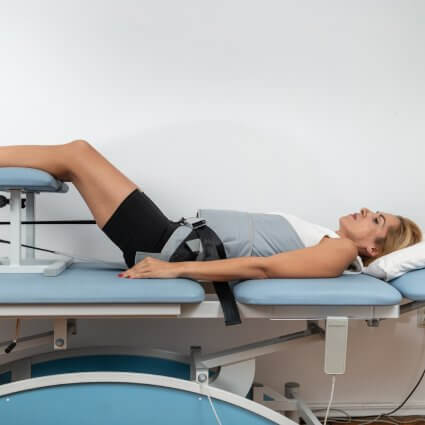
When cervical disc involvement or nerve irritation is also present, spinal decompression may be considered when clinically appropriate. Decompression has a different role from an adjustment and is not necessary for every patient with headaches.
The treatment plan depends on what the evaluation identifies. We don’t use the same approach for every headache because different headache patterns can have very different causes.
When Headaches Require Prompt Medical Evaluation
Many headaches are not medical emergencies, but certain headache patterns or accompanying symptoms require prompt medical evaluation rather than chiropractic treatment.
Seek immediate medical care for a headache that:
- Begins suddenly and is extremely severe, especially a new “worst headache of your life”
- Occurs after a significant head or neck injury
- Is accompanied by new weakness, numbness, facial drooping, difficulty speaking, confusion, fainting, or loss of coordination
- Occurs with a seizure
- Is accompanied by fever and significant neck stiffness
- Is accompanied by sudden or significant changes in vision
- Is new or rapidly worsening and significantly different from your usual headache pattern
Other new, unusual, persistent, or progressively worsening headaches may also warrant medical evaluation depending on the patient’s history and associated symptoms.
If Dr. Venn’s evaluation identifies findings or symptoms that suggest chiropractic care is not appropriate, he will explain the concern and recommend the appropriate next step or medical evaluation.
Frequently Asked Questions About Headache Treatment
Can food sensitivities contribute to headaches?
Can headaches really come from the neck?
Can chiropractic care help neck-related headaches?
Why do my headaches keep coming back?
How do I know if my headache is coming from my neck?
What is the difference between a tension headache and a cervicogenic headache?
When should headaches be evaluated?
Schedule a Headache Evaluation
If you’re dealing with headaches that keep returning, occur alongside neck pain or stiffness, or are interfering with your work, sleep, exercise, or daily life, a careful evaluation can help determine what may be contributing to the pattern.
Dr. Jason Venn has more than 25 years of clinical experience evaluating patients with headaches and cervical spine problems in Frisco. Your evaluation will focus on your headache history, associated symptoms, cervical findings, and other relevant factors to determine whether chiropractic care is appropriate or whether another type of evaluation should be considered.
Contact us today to schedule your headache evaluation.
Reviewed by Dr. Jason Venn, DC
Doctor of Chiropractic | 25+ Years of Clinical Experience
This page has been reviewed by Dr. Jason Venn for clinical accuracy and reflects his experience evaluating patients with headaches, neck pain, and cervical spine-related conditions.
Venn Chiropractic and Wellness Center | Frisco, TX
