
Could Your Afternoon Headaches Be Coming From Your Neck?
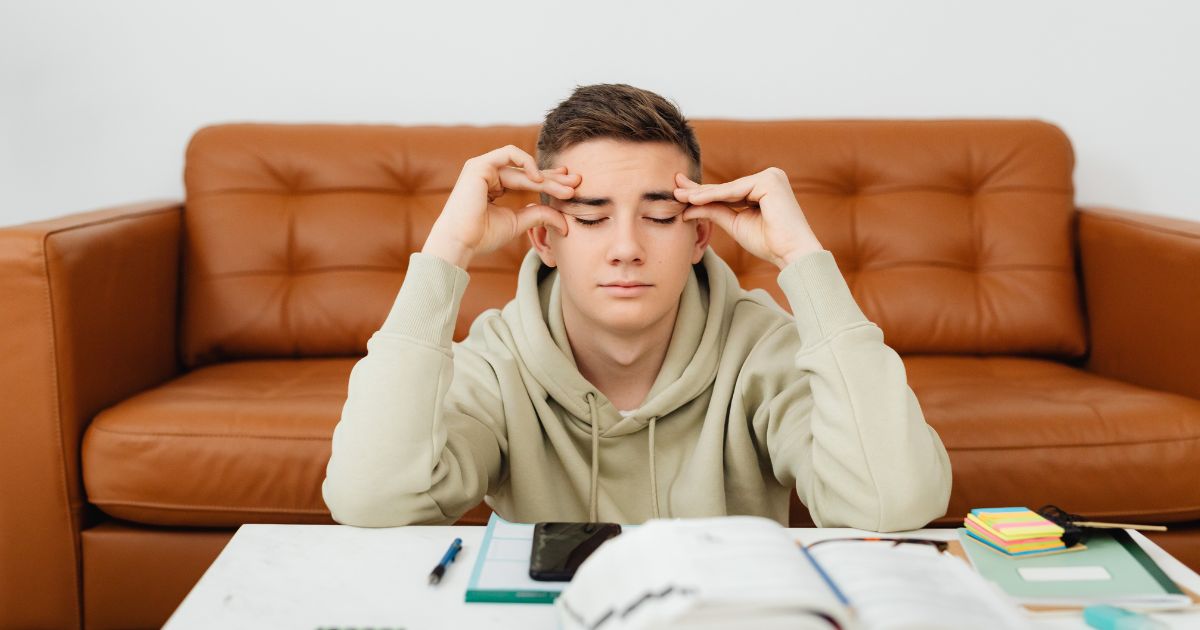
It’s 2:30 in the afternoon.
Right on schedule, that familiar pressure starts building near the base of your skull. By the time you’re finishing work, the discomfort has spread toward your temples or behind your eyes.
You assume it’s stress, dehydration, or another long day staring at a computer.
But what if your recurring afternoon headaches are connected to something you haven’t considered?
What if the problem is coming from your neck?
At Venn Chiropractic and Wellness Center in Frisco, TX, Dr. Jason Venn evaluates patients who experience recurring headaches alongside neck stiffness, restricted movement, and other cervical spine symptoms.
Some of these patients have cervicogenic headaches, meaning the headache originates from a problem involving structures in the neck.
Understanding that connection can be an important step toward finding the right treatment.
Quick Answer: Can Neck Problems Cause Afternoon Headaches?
Yes. Certain problems involving the cervical spine can cause headaches that begin around the neck or base of the skull and spread toward the head.
These are known as cervicogenic headaches.
They may be associated with:
- Restricted or painful cervical joint movement.
- Neck pain that occurs alongside the headache.
- Headaches triggered or aggravated by particular neck movements.
- Pain that begins near the base of the skull and travels toward the forehead or temple.
- Discomfort that becomes more noticeable after prolonged desk work.
However, not every afternoon headache is cervicogenic. Tension-type headaches, migraines, eye strain, medication effects, and other medical conditions can produce overlapping symptoms.
A proper evaluation helps determine whether the neck is likely contributing to the problem.
What Is a Cervicogenic Headache?
A cervicogenic headache is a secondary headache, meaning the pain originates from another condition or structure rather than being classified as a primary headache disorder such as migraine.
In this case, the source is the cervical spine or related structures in the neck.
The upper cervical joints and surrounding tissues share neurological pathways involved in processing pain from parts of the head.
Because of these connections, pain originating in the neck may be perceived in areas such as the back of the head, temple, forehead, or around an eye.
This is called referred pain.
Common characteristics of cervicogenic headaches may include:
- Pain that begins in the neck or near the base of the skull.
- Headaches that occur predominantly on one side.
- Restricted or uncomfortable neck movement.
- Headache symptoms reproduced by certain neck positions or movements.
- Neck discomfort occurring at the same time as the headache.
These features can suggest a cervical contribution, but they do not establish a diagnosis by themselves.
Why Do Headaches Sometimes Appear Later in the Workday?
Many people spend hours working at computers, attending meetings, driving, or looking down at phones.
These activities often involve prolonged sitting and relatively little movement.
By the afternoon, some people notice increasing neck discomfort, shoulder tension, or headache symptoms.
Several factors may contribute.
Prolonged Neck Positioning
Keeping your head in one position for extended periods may contribute to muscle fatigue and discomfort.
For example, leaning toward a monitor or repeatedly looking down at a phone may increase the demands placed on certain neck muscles.
This does not mean that every person with forward head posture will develop headaches. However, prolonged positioning can aggravate symptoms in some individuals.
Restricted Cervical Movement
Some people with recurring headaches also experience limited or painful movement in the cervical spine.
They may notice difficulty turning their head while driving, looking upward, or rotating their neck comfortably.
When headache symptoms are consistently associated with specific cervical movements, a neck-related source becomes an important possibility to investigate.
Muscle Tension and Fatigue
The muscles around the neck, shoulders, and base of the skull can become uncomfortable during prolonged activity.
Muscle tenderness and tension may accompany several headache disorders, including tension-type headaches and cervicogenic headaches.
Because these conditions can overlap, muscle tightness alone does not prove that the headache originates from the cervical spine.
Other Workday Factors
Dehydration, missed meals, poor sleep, stress, caffeine changes, and visual strain may also contribute to headaches later in the day.
That’s why Dr. Venn considers the patient’s overall symptom history rather than assuming every headache that appears after computer work is caused by posture.
Five Clues Your Afternoon Headaches May Be Connected to Your Neck
Although a clinical examination is necessary to investigate the cause, certain patterns can provide useful clues.
1. Your Headache Begins Near the Base of Your Skull
Some cervicogenic headaches begin in the upper neck or back of the head before spreading toward other areas.
2. Turning Your Head Reproduces the Pain
If particular neck movements consistently trigger or worsen the familiar headache, that relationship deserves closer evaluation.
3. Your Neck Feels Stiff During the Headache
Restricted movement or neck discomfort occurring alongside a headache may suggest cervical involvement, although these symptoms can also occur with migraine and other headache disorders.
4. The Headache Follows Certain Activities
Headaches that repeatedly occur after prolonged desk work, driving, or other sustained positions may be influenced by mechanical or muscular factors.
5. Changing Your Neck Position Affects the Symptoms
Some people notice that moving their neck, changing position, or temporarily supporting their head affects their discomfort.
These observations can be useful when describing symptoms during an examination.
None of these signs alone confirms a cervicogenic headache. The complete pattern and examination findings matter.
How Are Cervicogenic Headaches Different From Migraines and Tension Headaches?
Different headache conditions can produce similar symptoms, but their treatment approaches may differ.
Cervicogenic Headaches
These originate from a cervical spine or neck-related condition. Neck movement or positioning may reproduce symptoms, and reduced cervical range of motion may be present.
Tension-Type Headaches
These often involve pressing or tightening pain, sometimes on both sides of the head. They may be associated with tenderness in the muscles around the head and neck.
Migraines
Migraines may involve moderate to severe headache pain, nausea, and sensitivity to light or sound. Some patients also experience neck pain before or during a migraine.
Because migraine can include significant neck discomfort, neck pain does not automatically mean the headache is cervicogenic.
For a broader discussion of headache conditions and treatment options, visit our Headache Treatment in Frisco page.
How Dr. Jason Venn Evaluates Headaches That May Originate From the Neck
Dr. Jason Venn has served patients in Frisco since 2000 and has extensive experience evaluating spinal conditions, including complicated cervical spine complaints.
When a patient reports recurring headaches, he begins by investigating the relationship between the headache symptoms and the cervical spine.
Depending on the patient’s presentation, the evaluation may include:
- A detailed headache and medical history.
- Questions about headache frequency, duration, and location.
- Review of activities or positions that trigger symptoms.
- Assessment of cervical range of motion.
- Examination of relevant spinal joint mechanics.
- Orthopedic and neurological testing when indicated.
- Review of previous treatments and imaging.
- Diagnostic imaging when clinically appropriate.
Dr. Venn also considers whether the symptoms suggest a primary headache disorder or another medical condition requiring referral.
The goal is to determine whether a cervical spine problem is contributing to the headaches and whether chiropractic treatment is appropriate.
How Gonstead Chiropractic Care May Help Neck-Related Headaches
When examination findings suggest that cervical joint dysfunction is contributing to symptoms, Dr. Venn may recommend specific Gonstead chiropractic care.
The Gonstead System emphasizes detailed spinal analysis and precise adjustments directed toward specific findings.
Rather than routinely adjusting the entire neck, Dr. Venn evaluates which spinal joints may be involved and whether an adjustment is appropriate.
For selected patients with cervicogenic headaches, cervical manual therapy may help reduce headache symptoms and improve neck movement.
However, treatment decisions depend on the patient’s diagnosis, medical history, examination findings, and potential contraindications.
Not every headache requires chiropractic adjustments, and cervical manipulation is not appropriate for every patient.
When Spinal Decompression May Be Considered
Some patients experience headaches alongside neck pain, arm symptoms, or other findings associated with a cervical disc condition.
When an appropriate disc-related problem is identified, Dr. Venn may consider non-surgical spinal decompression as part of the treatment plan.
Spinal decompression uses controlled decompression and release cycles intended to create a pumping action at the disc.
These cycles are designed to reduce disc pressure and encourage fluid movement, potentially reducing irritation of nearby structures.
Importantly, spinal decompression is not a routine treatment for every headache. Its role is primarily in selected disc-related spinal conditions, and evidence for treating cervicogenic headaches specifically is limited.
Dr. Venn determines whether decompression is appropriate based on the underlying spinal condition rather than the presence of a headache alone.
What Can You Do About Afternoon Headaches at Work?
Several practical changes may help reduce neck discomfort associated with prolonged desk work.
Change Positions Regularly
Avoid remaining in one position for hours without moving.
Standing, walking briefly, or changing your seated position may help reduce prolonged muscular loading.
Adjust Your Monitor
Position your screen so you can view it comfortably without constantly leaning forward or looking sharply downward.
Your ideal monitor height depends on your workstation, vision needs, and individual comfort.
Support Your Arms
Keeping your keyboard and mouse within comfortable reach may reduce unnecessary tension in your shoulders and upper back.
Try Gentle Neck Movement
Slow, comfortable neck movements may help relieve temporary stiffness.
Avoid forcing your neck through painful ranges or performing aggressive stretching that reproduces headache symptoms.
Pay Attention to Headache Patterns
Consider recording when your headaches occur, how long they last, what activities precede them, and whether neck movement changes the symptoms.
A headache diary can provide useful information during a clinical evaluation.
For persistent neck discomfort, our Neck Pain Treatment page explains other possible causes and treatment considerations.
When Should You Seek Medical Care for Headaches?
Recurring headaches should not automatically be attributed to neck tension or posture.
Seek emergency medical care for a sudden, extremely severe headache or a headache accompanied by stroke-like symptoms such as facial drooping, difficulty speaking, sudden weakness, or loss of coordination.
Other warning signs requiring urgent medical evaluation include:
- A new severe headache with fever or significant neck stiffness.
- New confusion or altered consciousness.
- New or sudden visual loss.
- A severe headache after a significant head or neck injury.
- A new headache associated with concerning neurological symptoms.
New, progressively worsening, or substantially different headaches also deserve timely medical assessment, even when emergency warning signs are absent.
For recurring headaches associated with neck discomfort, an appropriate clinical evaluation can help determine whether cervical spine treatment or another medical approach is indicated.
Frequently Asked Questions About Afternoon Headaches and Neck Pain
Can neck problems really cause headaches?
Yes. Certain cervical spine conditions can produce cervicogenic headaches, where pain originates from structures in the neck and is felt in the head. However, migraines and other headache disorders can also cause neck pain, so proper evaluation is important.
Why do I get headaches at the same time every afternoon?
Recurring afternoon headaches may be associated with prolonged desk work, stress, hydration, meals, caffeine patterns, visual strain, or other factors. If headaches consistently occur with neck stiffness or are triggered by neck movement, a cervical contribution may be worth investigating.
Can poor posture cause cervicogenic headaches?
Prolonged or uncomfortable neck positioning may aggravate symptoms in some people, but posture alone does not establish the cause of a headache. Cervicogenic headache diagnosis requires evidence that a neck-related condition is contributing to the pain.
What does a cervicogenic headache feel like?
It may begin around the upper neck or base of the skull and spread toward the temple, forehead, or another area of the head. Neck movement may aggravate symptoms, and cervical range of motion may be reduced.
Can chiropractic care help cervicogenic headaches?
Some patients with cervicogenic headaches may benefit from appropriately selected cervical manual therapy and exercise. Dr. Venn evaluates the patient’s history, symptoms, and examination findings to determine whether specific Gonstead chiropractic care is suitable.
Does a headache behind my eye mean it’s coming from my neck?
Not necessarily. Cervicogenic headaches can sometimes refer pain toward the eye, but migraines and other medical conditions can cause similar symptoms. New severe eye pain, visual changes, or other concerning symptoms require medical evaluation.
Should I keep taking pain relievers for recurring afternoon headaches?
Over-the-counter or prescription headache medications may be appropriate depending on the diagnosis and medical guidance. However, frequent medication use can sometimes contribute to medication-overuse headaches. Discuss recurring headaches and medication frequency with your healthcare provider rather than stopping prescribed medication on your own.
Don’t Accept Recurring Afternoon Headaches as Your Normal
If headaches repeatedly appear after long workdays, especially when accompanied by neck stiffness or restricted movement, it’s worth investigating whether your cervical spine is contributing to the problem.
At Venn Chiropractic and Wellness Center in Frisco, TX, Dr. Jason Venn helps patients understand persistent spinal symptoms through detailed evaluation and individualized treatment recommendations.
His experience with the Gonstead System, cervical spine conditions, and non-surgical spinal decompression allows him to consider different treatment options when appropriate.
Whether your headaches are related to cervical joint dysfunction, another spinal condition, or a problem requiring medical referral, identifying the likely source is the first step.
Learn more about becoming a new patient or contact Venn Chiropractic and Wellness Center to schedule an evaluation.
Venn Chiropractic and Wellness Center
Frisco, Texas
www.drvenn.com