
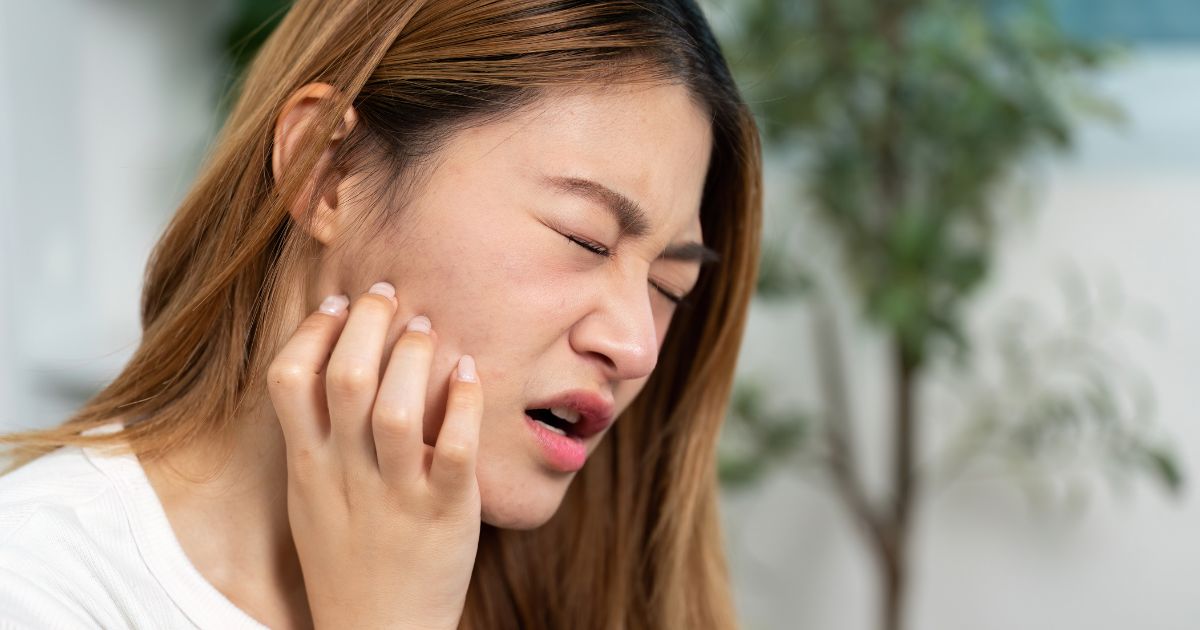
Why Do I Keep Clenching My Jaw? Causes, Symptoms & Relief
Do you ever catch yourself pressing your teeth together while working, driving, or concentrating?
Maybe you wake up with a sore jaw, notice tightness around your temples, or experience headaches that seem to involve both your face and neck.
Jaw clenching is common, but many people don’t realize they’re doing it until discomfort develops.
Sometimes clenching is associated with stress or concentration. Other times, it may be related to sleep bruxism, medications, or a condition affecting the jaw muscles and joints.
At Venn Chiropractic and Wellness Center in Frisco, TX, Dr. Jason Venn evaluates patients with neck pain, headaches, and other spinal complaints that may occur alongside jaw discomfort.
Understanding the possible causes of clenching is an important first step toward finding the right type of care.
What Is Jaw Clenching?
Jaw clenching occurs when the muscles responsible for closing your jaw contract and press your teeth together.
Occasional clenching may happen without causing noticeable problems.
However, frequent or forceful clenching can contribute to discomfort in the jaw muscles and may be associated with other symptoms.
Clenching is often discussed alongside bruxism, a term used to describe repetitive jaw-muscle activity that may involve clenching, grinding, or other jaw movements.
Bruxism is generally categorized into two types:
Awake Bruxism
Awake bruxism involves jaw-muscle activity while you’re conscious.
You might notice it when concentrating, working under pressure, driving, or performing demanding tasks.
It doesn’t always involve audible grinding.
Sleep Bruxism
Sleep bruxism involves jaw-muscle activity during sleep.
Because you’re asleep, you may not be aware it’s happening.
Sometimes a dentist notices tooth wear or other findings, or a sleeping partner reports grinding sounds.
Jaw soreness upon waking can also be a reason to seek evaluation, although soreness alone doesn’t establish a diagnosis.
Why Do People Clench Their Jaw?
There isn’t one universal cause of jaw clenching.
Several factors may contribute, and the pattern can differ between awake and sleep bruxism.
1. Stress and Emotional Tension
Stress and anxiety are associated with awake bruxism in some people.
During demanding situations, you may unconsciously tighten your jaw or hold your teeth together.
However, not everyone who clenches their jaw is experiencing psychological stress, and stress isn’t the only possible explanation.
2. Concentration and Learned Habits
Some people clench while focusing intensely on work, exercise, or other tasks.
They may not recognize the habit until they begin paying attention to their jaw position.
Becoming aware of daytime clenching can be useful when trying to reduce unnecessary muscle activity.
3. Sleep-Related Factors
Sleep bruxism is associated with complex sleep-related processes rather than simply being a nighttime version of stress-related clenching.
In some individuals, it may occur alongside sleep disturbances or sleep-related breathing disorders.
If you grind your teeth and also snore loudly, gasp during sleep, or experience significant daytime sleepiness, discuss those symptoms with an appropriate healthcare professional.
4. Medications and Other Health Factors
Certain medications and substances may be associated with bruxism in some people.
For example, some antidepressant medications have been linked to jaw clenching or grinding.
Do not stop or change a prescribed medication without discussing it with the prescribing clinician.
What Are the Symptoms of Excessive Jaw Clenching?
Frequent clenching may be associated with several symptoms, including:
- Jaw muscle soreness or fatigue
- Tightness around the cheeks or temples
- Discomfort when chewing
- Headaches, particularly around the temples
- Tooth sensitivity or wear
- Jaw discomfort upon waking
- Difficulty opening the mouth comfortably
- Neck or shoulder discomfort occurring alongside jaw symptoms
These symptoms can also occur for reasons unrelated to bruxism.
For example, tooth pain may result from dental disease, and headaches can have many different causes.
An examination is often necessary to determine what’s contributing to the problem.
Is Jaw Clenching the Same as TMJ Disorder?
No. Although the terms are often used interchangeably, they describe different things.
TMJ stands for temporomandibular joint, the joint connecting your lower jaw to your skull.
Everyone has two temporomandibular joints.
Temporomandibular disorders (TMD) refer to a group of conditions affecting the jaw joints, chewing muscles, or associated structures.
Jaw clenching is a behavior that may contribute to symptoms in some people, but clenching does not automatically mean you have a temporomandibular disorder.
Common TMD symptoms may include:
- Pain in the jaw joint or chewing muscles
- Difficulty or discomfort when opening the mouth
- Jaw locking or restricted movement
- Painful clicking or popping
- Facial pain associated with jaw movement
Jaw clicking without pain or movement limitation is common and doesn’t always require treatment.
A dentist or other clinician experienced in orofacial pain can help determine whether symptoms are related to a temporomandibular disorder.
Can Jaw Clenching Cause Headaches?
Jaw-muscle activity and certain temporomandibular disorders can contribute to headaches in some individuals.
For example, pain involving the chewing muscles may be felt around the temples.
However, headaches have many possible causes.
Tension-type headaches, migraines, cervicogenic headaches, and other conditions may produce overlapping symptoms.
It’s important not to assume that every headache occurring alongside jaw tightness is caused by clenching.
Recurring or changing headache patterns deserve appropriate evaluation.
Learn more about headaches and their possible causes.
Why Do Jaw Pain and Neck Pain Sometimes Occur Together?
The jaw and neck are anatomically close, and the muscles and nervous system involved in these regions interact in complex ways.
Research has identified associations between temporomandibular disorders and certain neck-related symptoms.
Some people with jaw pain also report:
- Neck stiffness
- Reduced or uncomfortable neck movement
- Tenderness in neck muscles
- Headaches
- Shoulder-region discomfort
However, an association doesn’t establish that one problem caused the other.
For example, having neck pain doesn’t necessarily mean that a cervical spinal problem is causing your teeth grinding.
Likewise, correcting neck posture or performing a spinal adjustment has not been established as a reliable treatment for bruxism.
When both jaw and neck symptoms are present, it may be appropriate to evaluate each region rather than assuming they share a single cause.
Does Forward Head Posture Cause Jaw Clenching?
You may have heard that looking down at your phone or holding your head forward causes TMJ problems.
Although researchers have investigated relationships between head and neck posture and jaw symptoms, current evidence does not establish that forward head posture directly causes bruxism or temporomandibular disorders.
There is also no single ideal head position that guarantees freedom from jaw or neck pain.
However, prolonged uncomfortable positions can contribute to neck discomfort in some people.
If you spend hours working at a computer, changing positions and taking comfortable movement breaks may help manage associated neck stiffness.
For more information, see our article Why Does Your Neck Hurt When Looking Down at Your Phone?.
Five Practical Ways to Reduce Daytime Jaw Clenching
If you frequently catch yourself clenching while awake, a few simple strategies may help reduce unnecessary jaw-muscle activity.
1. Notice When You’re Clenching
Start by identifying situations when you tend to press your teeth together.
It might happen while answering emails, driving in traffic, exercising, or concentrating.
Recognizing the pattern can help you interrupt the habit.
2. Allow Your Jaw to Rest Comfortably
When you’re not chewing, swallowing, or speaking, your teeth generally don’t need to remain firmly pressed together.
Try allowing your jaw to rest comfortably with your teeth slightly apart.
Avoid forcing your jaw into an uncomfortable position.
3. Avoid Overworking a Painful Jaw
If your jaw is sore, temporarily reducing activities that aggravate symptoms may help.
Examples include prolonged gum chewing, chewing very tough foods, or repeatedly opening your mouth unusually wide.
These modifications don’t need to become permanent restrictions unless recommended by your clinician.
4. Try Gentle Warmth for Muscle Discomfort
Some people find a comfortably warm compress helpful for jaw-muscle soreness.
Use a safe temperature and avoid applying excessive heat.
Heat may improve comfort, but it doesn’t establish or treat the underlying cause of bruxism.
5. Address Stress and Sleep Concerns
If daytime clenching tends to occur during stressful situations, appropriate stress-management techniques may help.
Comfortable breathing, physical activity, and consistent sleep habits can support general well-being.
However, these strategies aren’t guaranteed to resolve sleep bruxism.
If grinding occurs during sleep, a dental evaluation may be especially important.
Should You See a Dentist for Jaw Clenching?
Yes, particularly if clenching or grinding is frequent, painful, or associated with tooth damage.
A dentist can evaluate the teeth, bite-related concerns, and signs of possible bruxism or temporomandibular disorders.
Depending on the findings, a dentist may recommend:
- Monitoring tooth wear or damage
- Addressing dental problems
- Behavioral strategies for awake clenching
- A professionally fitted oral appliance when appropriate
- Referral to an orofacial pain specialist
- Further evaluation for suspected sleep-related conditions
An oral appliance may help protect teeth in selected patients, but it doesn’t necessarily eliminate the underlying jaw-muscle activity.
Be cautious about irreversible procedures intended to permanently change your bite solely to treat unexplained jaw pain or clenching without an appropriate diagnosis.
When Should Neck Pain Be Evaluated Separately?
Sometimes jaw discomfort occurs alongside a distinct cervical spine or musculoskeletal problem.
Consider an evaluation for your neck if you experience:
- Persistent or recurring neck pain
- Restricted or painful neck movement
- Headaches associated with neck movement
- Pain traveling into the shoulder or arm
- Recurring numbness or tingling in an arm or hand
- Noticeable arm or hand weakness
These symptoms may involve cervical joints, muscles, discs, nerves, or other structures.
They shouldn’t automatically be attributed to TMJ problems or stress.
Seek urgent medical care for sudden severe neurological symptoms, rapidly progressive weakness, or other serious warning signs.
How Dr. Venn Evaluates Neck Pain That Occurs With Jaw Symptoms
At Venn Chiropractic and Wellness Center in Frisco, TX, Dr. Jason Venn has more than 25 years of experience evaluating and treating neck pain, headaches, and other spinal conditions.
When a patient reports neck pain alongside jaw tension, it’s important to distinguish symptoms that may involve the cervical spine from those requiring dental or orofacial evaluation.
Using the Gonstead System, Dr. Venn performs a detailed spinal assessment to determine whether a specific cervical joint problem or another musculoskeletal condition may be contributing to neck symptoms.
Depending on the history and examination findings, the evaluation may include spinal motion assessment, orthopedic and neurological testing, and digital X-rays when clinically indicated.
For selected patients with appropriate cervical musculoskeletal conditions, precise Gonstead chiropractic care may be considered.
Spinal rehabilitation may also be useful when weakness, movement limitations, or other functional problems need to be addressed.
Chiropractic care is not a substitute for dental treatment of bruxism or temporomandibular disorders.
Likewise, non-surgical spinal decompression is intended for selected spinal disc-related conditions, not as a routine treatment for jaw clenching or TMJ pain.
When jaw symptoms suggest a dental or temporomandibular disorder, evaluation by a dentist or appropriate specialist is important.
Learn more about our Neck Pain services in Frisco and Gonstead chiropractic approach.
Frequently Asked Questions About Jaw Clenching and TMJ Symptoms
Why Do I Keep Clenching My Jaw Without Realizing It?
Awake jaw clenching may occur during concentration, stress, or other activities. It can become habitual, so you may not notice it until muscle soreness or other symptoms develop.
Why Do I Wake Up With a Sore Jaw?
Morning jaw soreness may be associated with sleep bruxism, temporomandibular disorders, or other conditions. A dentist can help evaluate possible causes.
Can Jaw Clenching Cause Neck Pain?
Jaw disorders and neck pain can occur together, but that doesn’t always mean clenching directly caused the neck problem. Both regions may require evaluation.
Can TMJ Problems Cause Headaches?
Certain temporomandibular disorders can be associated with headaches, particularly pain around the temples. However, headaches have many possible causes and shouldn’t automatically be attributed to TMJ problems.
Does Stress Cause Teeth Grinding at Night?
Stress may be associated with bruxism, but sleep bruxism involves complex sleep-related mechanisms and cannot always be explained by stress alone.
Can Poor Posture Cause TMJ Problems?
Current evidence does not establish that poor posture directly causes temporomandibular disorders or teeth grinding. Neck posture and jaw symptoms may be associated in some individuals, but the relationship is complex.
Can Chiropractic Adjustments Stop Teeth Grinding?
There isn’t sufficient clinical evidence to conclude that spinal adjustments reliably stop bruxism. Chiropractic care may be considered for a separate musculoskeletal neck problem when clinically appropriate.
Should I See a Chiropractor or Dentist for Jaw Pain?
A dentist or clinician experienced in orofacial pain is generally an appropriate starting point for jaw pain, clenching, grinding, or suspected TMD. If you also have persistent neck pain or other spinal symptoms, a separate musculoskeletal evaluation may be helpful.
When Is Jaw Pain an Emergency?
Seek urgent evaluation for significant facial swelling, fever with suspected dental infection, serious trauma, or inability to open or close the mouth normally. Jaw discomfort accompanied by chest pressure, shortness of breath, sweating, or other possible heart attack symptoms requires emergency medical attention.
Don’t Ignore Persistent Jaw or Neck Discomfort
Jaw clenching can be frustrating, especially when it leads to soreness, headaches, or interrupted sleep.
But identifying the cause matters.
For some people, the solution involves greater awareness of daytime habits. Others may need dental care, evaluation for a temporomandibular disorder, or assessment of sleep-related concerns.
And when jaw symptoms occur alongside persistent neck pain, headaches, or radiating arm symptoms, it’s important not to overlook a possible cervical spine problem.
Dr. Jason Venn has served the Frisco community since 2000, helping patients with neck pain, headaches, disc conditions, and other spinal problems through precise Gonstead chiropractic and individualized care.
If you’re experiencing persistent neck pain or headaches alongside jaw tension, contact Venn Chiropractic and Wellness Center in Frisco, TX, to schedule a spinal evaluation.
This article is for educational purposes and does not replace individualized medical or dental advice, diagnosis, or treatment.