
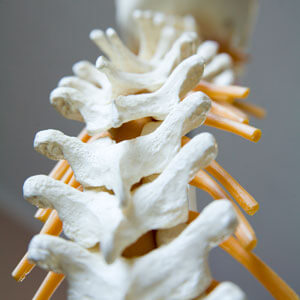
Disc problems can cause much more than lower back or neck pain. When a damaged or degenerating disc affects nearby nerve structures, symptoms may include radiating pain, sciatica, numbness, tingling, or weakness in an arm or leg.
For certain patients with disc-related conditions, spinal decompression may be used as part of a non-surgical treatment approach.
Spinal decompression is different from simply applying traditional traction to the spine. The system used at Venn Chiropractic and Wellness Center applies controlled cycles of gradually increasing and releasing force to the targeted area.
Dr. Jason Venn often explains the process to patients using a pump analogy.
Rather than continuously pulling and holding the spine, decompression alternates between carefully controlled phases of increased and decreased force. The goal is to reduce mechanical loading on affected spinal structures and create a more favorable environment for fluid movement within the disc.
But having back pain—or even having a disc abnormality on an MRI—doesn’t automatically mean someone needs spinal decompression.
A disc bulge or herniation needs to be considered alongside the patient’s symptoms, neurological findings, spinal examination, and imaging. The location of the disc problem should also make sense in relation to the pattern of symptoms the patient is experiencing.
That’s why Dr. Venn first determines whether the patient’s condition appears to be disc-related and appropriate for decompression before recommending treatment.
What Spinal Decompression Is Designed to Do
When a spinal disc is injured or degenerating, changes in disc height, loading, and surrounding mechanics can contribute to irritation of nearby nerve structures. The purpose of spinal decompression is to change the mechanical forces acting on that area.
During treatment, the decompression system repeatedly increases and releases controlled force. This creates changing mechanical conditions within and around the targeted spinal segment rather than maintaining one continuous pull.
For an appropriate patient, the goals may include:
- Reducing mechanical loading on an affected disc and surrounding spinal structures
- Reducing irritation around affected nerve structures
- Encouraging fluid movement within the disc through repeated loading and unloading
- Improving tolerance for movement and normal activity as symptoms improve
- Creating a better mechanical environment for the affected area while other aspects of the patient’s condition are addressed
This is particularly relevant because spinal discs have a limited direct blood supply compared with many other tissues in the body. Movement and changes in pressure contribute to the movement of water and dissolved nutrients through disc tissue.
That doesn’t mean decompression simply “pushes nutrients into the disc” or guarantees that a herniated disc will return to its original shape.
The goal is to improve the mechanical environment surrounding the affected disc and nerve structures so that an appropriate patient has a better opportunity to improve.
“I explain decompression to patients like a pump. We’re repeatedly changing the forces on the affected area rather than simply pulling and holding the spine. The important part is determining whether the patient’s disc and nerve findings make them a good candidate for that approach.” — Dr. Jason Venn
Who May Be a Good Candidate for Spinal Decompression?
Spinal decompression isn’t appropriate for every person with back pain, neck pain, or sciatica. The type of spinal problem, severity of the condition, neurological findings, imaging, overall health, and previous treatment history all matter.
Dr. Venn may consider decompression when an evaluation identifies conditions such as:
- Herniated or bulging discs that correspond with the patient’s symptoms
- Degenerative disc changes associated with loss of disc height or mechanical stress
- Sciatica or radiating nerve symptoms associated with a disc-related lumbar problem
- Certain cases of spinal stenosis where the patient’s findings indicate that conservative care may be appropriate
- Persistent disc-related symptoms that have not responded as expected to previous conservative treatment
Just as important is determining when decompression should not be used.
Certain fractures, severe osteoporosis, spinal instability, some surgical hardware or postoperative conditions, and other medical or structural problems may make decompression inappropriate or require additional evaluation before treatment is considered.
Neurological findings matter as well. Progressive weakness, changes in bowel or bladder control, saddle-area numbness, or other concerning neurological symptoms may require prompt medical evaluation rather than beginning a decompression program.
This is why Dr. Venn doesn’t determine candidacy from an MRI report alone.
Imaging can provide valuable information about disc height, degeneration, herniations, spinal structure, and other findings, but those findings need to be compared with the patient’s symptoms and examination.
A disc abnormality that looks significant on an image may not always be the structure producing the patient’s symptoms. Conversely, neurological findings can sometimes make a seemingly modest imaging finding much more clinically important.
The question isn’t simply:
“Do you have a bad disc?”
It’s:
“Do your symptoms, examination, neurological findings, and imaging point to a disc-related mechanical problem that spinal decompression may reasonably help address?”
What to Expect During Spinal Decompression Treatment
Spinal decompression treatment is performed with the patient positioned comfortably on the decompression table while the system applies controlled forces to the targeted area of the spine.
Before beginning treatment, Dr. Venn determines the area being treated and the appropriate settings based on the patient’s condition, examination findings, symptoms, and imaging when clinically appropriate.
During a session, the decompression system gradually increases and releases force in repeated cycles. Most patients describe the sensation as a gentle pulling or stretching through the targeted area rather than a forceful manipulation.
A typical session lasts approximately 15-20 minutes. Treatment should generally be comfortable, and some patients become relaxed enough to fall asleep during the session.
How Many Decompression Sessions Are Needed?
There isn’t one treatment schedule that’s appropriate for every patient.
The number and frequency of sessions depend on factors such as the condition being treated, how long the symptoms have been present, the severity of the disc or degenerative changes, neurological findings, and how the patient responds to care.
A patient with a relatively recent disc problem may require a different treatment plan than someone with years of degeneration, significant disc-space narrowing, and chronic nerve symptoms.
Dr. Venn monitors progress throughout care rather than relying only on the patient’s pain level.
For someone being treated for a disc-related nerve problem, improvement may also include:
- Radiating pain traveling less distance into an arm or leg
- Reduced numbness or tingling
- Improvement in strength or neurological findings
- Greater tolerance for sitting, standing, or walking
- Improved ability to sleep, exercise, work, or perform normal activities
Depending on the patient’s findings, decompression may also be combined with Gonstead chiropractic and corrective spinal rehabilitation to address joint mechanics, movement, strength, stability, or postural factors that decompression itself isn’t intended to correct.
The treatment plan can then be adjusted based on how the patient responds.
Frequently Asked Questions About Spinal Decompression
Is Spinal Decompression the Same as Traction?
No. Although both approaches apply mechanical force to the spine, the way that force is delivered is different.
Traditional traction generally applies a pulling force. The spinal decompression system used at Venn Chiropractic applies controlled cycles of gradually increasing and releasing force to the targeted area.
Dr. Venn often describes the difference as a gentle pumping action rather than simply pulling and holding the spine.
Can Spinal Decompression Help a Herniated or Bulging Disc?
Spinal decompression may be considered for certain patients whose symptoms and examination findings are associated with a herniated or bulging disc.
The goal isn’t simply to “pull the disc back into place.” Decompression is used to change the mechanical loading environment surrounding the affected disc and nearby nerve structures.
Whether it is appropriate depends on the location and severity of the disc problem, the patient’s symptoms, neurological findings, spinal examination, imaging, and other clinical factors.
Does Spinal Decompression Actually Heal a Disc?
Disc recovery is more complicated than saying that a treatment simply “heals” a damaged disc.
Spinal discs have a limited direct blood supply, and movement of fluid and dissolved nutrients through disc tissue is influenced by changes in loading and pressure.
Spinal decompression is intended to repeatedly change the mechanical forces acting on the affected area, reduce mechanical loading, and create a more favorable environment for fluid movement within the disc.
How much a patient improves depends on the individual condition and many other factors.
How Long Does a Spinal Decompression Session Take?
A typical spinal decompression session at Venn Chiropractic lasts approximately 15-20 minutes.
The number and frequency of treatments vary. Dr. Venn develops recommendations based on the condition being treated, severity and duration of symptoms, neurological findings, imaging when appropriate, and how the patient responds to care.
There isn’t one standard decompression schedule that is appropriate for every patient.
How Do I Know if I’m a Candidate for Spinal Decompression?
The best way to determine candidacy is to identify what is actually causing the symptoms.
Dr. Venn considers the patient’s history, symptom pattern, orthopedic and neurological findings, spinal mechanics, imaging when clinically appropriate, and previous treatment history.
The presence of a disc bulge, degeneration, or sciatica alone doesn’t automatically mean decompression is appropriate.
The findings need to fit together and indicate a mechanical disc-related problem that can reasonably be addressed with this type of conservative care.
Spinal Decompression Starts With Determining the Right Candidate
Spinal decompression can be an important treatment option for certain disc-related conditions, but its value depends on using it for the right patient and the right problem.
At Venn Chiropractic and Wellness Center, Dr. Jason Venn doesn’t recommend decompression simply because an MRI shows a bulging disc or because someone has been diagnosed with sciatica.
The decision is based on the complete clinical picture: the patient’s symptoms, neurological and orthopedic findings, spinal mechanics, imaging when appropriate, previous treatment history, and the specific structures believed to be contributing to the problem.
This becomes especially important in complicated cases involving severe degeneration, significant disc-space narrowing, persistent nerve symptoms, or previous treatments that haven’t provided the expected improvement.
One patient who came to our Frisco office had severe degeneration throughout his lumbar spine, right-sided sciatica extending into his foot, numbness and tingling, and weakness through his right hip and leg. He had previously tried multiple chiropractors, physical therapy, steroid injections, and medications without meaningful improvement.
His examination and imaging indicated that movement was still available at an important area of his lower spine despite the severity of the degeneration. Based on those individual findings, Dr. Venn incorporated spinal decompression with specific Gonstead chiropractic care.
The patient reported improvement during his first week of care, was pain-free at approximately one month, and reported resolution of his remaining sciatica, numbness, tingling, and weakness by approximately three months. Approximately five years later, he continues to report no recurrence of the symptoms that originally brought him to the office.
That’s one patient’s experience and isn’t a guarantee that another patient with similar symptoms will have the same outcome. But the case illustrates an important point:
Severe imaging findings don’t determine treatment by themselves. Neither does the name of a condition. The complete clinical picture determines whether spinal decompression may be appropriate.
Read the complete severe lumbar degeneration and sciatica case study.
If you’re dealing with a herniated or bulging disc, sciatica, degenerative disc changes, or another disc-related condition, the first step is determining whether decompression makes sense for your particular findings.