
Spinal Stenosis Treatment in Frisco, TX
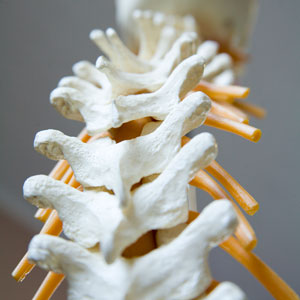
Spinal stenosis occurs when spaces within the spine become narrowed, potentially affecting the spinal cord or nearby nerve roots. It most commonly affects the lower back (lumbar spinal stenosis) or neck (cervical spinal stenosis), and the symptoms can be very different depending on where the narrowing occurs and which neurological structures are involved.
In the lower back, spinal stenosis may cause back pain, leg pain, numbness, tingling, heaviness, or weakness. Some patients notice that symptoms become worse when standing or walking and improve when sitting or leaning forward. Cervical spinal stenosis can produce neck or arm symptoms and, when the spinal cord is affected, may cause more concerning neurological changes involving balance, coordination, or hand function.
Not everyone with spinal narrowing on an X-ray or MRI has symptoms. That’s why treatment should not be based on an imaging finding alone.
At Venn Chiropractic and Wellness Center, Dr. Jason Venn has more than 25 years of clinical experience evaluating patients with spinal, disc, and nerve-related conditions. The first step is determining where the stenosis is located, whether it appears relevant to the patient’s symptoms, and whether conservative care is appropriate.
When appropriate, care may include precise Gonstead chiropractic, spinal decompression, rehabilitation, and individualized movement recommendations. Patients whose findings suggest significant neurological involvement or another condition requiring medical evaluation are referred appropriately.
What Is Spinal Stenosis?
Spinal stenosis means that one or more spaces within the spine have become narrowed. Depending on where the narrowing occurs, it may reduce the space available for the spinal cord or the nerve roots that travel from the spine into the arms or legs.
Stenosis may develop in different areas, including:
- Central canal stenosis — narrowing of the main spinal canal
- Foraminal stenosis — narrowing of the openings where individual spinal nerves exit the spine
- Lateral recess stenosis — narrowing in an area where nerve roots travel before exiting the spinal canal
These changes may develop as part of age-related degeneration and can occur alongside disc height loss or bulging, arthritic changes in the spinal joints, thickening of supporting ligaments, or other structural changes that reduce the available space around neurological structures.
Lumbar Spinal Stenosis
Lumbar spinal stenosis affects the lower back. When the narrowing affects nerves supplying the lower body, patients may experience lower back pain, buttock or leg pain, numbness, tingling, heaviness, or weakness.
A particularly important pattern is symptoms that become more noticeable with prolonged standing or walking and improve when sitting or bending forward. This pattern is often called neurogenic claudication and can occur because changing the position of the lumbar spine affects the amount of available space around the nerves.
Cervical Spinal Stenosis
Cervical spinal stenosis occurs in the neck. Narrowing that affects a cervical nerve root may cause neck pain, pain traveling into an arm, numbness, tingling, or weakness.
When cervical stenosis affects the spinal cord itself, however, the clinical picture can be more serious. Patients may develop problems with balance or walking, loss of hand coordination or dexterity, weakness, or other neurological changes. These findings require appropriate medical evaluation.
The location and severity of stenosis seen on imaging are only part of the picture. Dr. Venn also considers the patient’s symptoms, neurological findings, examination, and function when determining whether the stenosis appears clinically significant.
What Causes Spinal Stenosis?
Spinal stenosis often develops gradually as age-related changes reduce the amount of space available around the spinal cord or nerve roots. More than one structural change may contribute at the same time.
Common contributors may include:
- Degenerative changes in the spinal joints
- Disc height loss or bulging discs
- Bone spurs associated with arthritis
- Thickening of ligaments within the spine
- Changes following previous spinal injury
- Less commonly, naturally narrower anatomy or other structural conditions
Degenerative disc disease can also contribute to stenosis. As discs lose height and surrounding joints change, the openings available for nearby nerves may become smaller.
Does Spinal Stenosis on an MRI Always Cause Symptoms?
No. Some people have significant narrowing visible on imaging with relatively few symptoms, while others experience pain or neurological symptoms that substantially affect walking, standing, or daily activities.
This is why Dr. Venn does not determine treatment from an X-ray or MRI finding alone. Imaging is considered alongside the patient’s symptoms, examination findings, neurological status, and how the condition is affecting normal function.
The goal is to determine whether the stenosis seen on imaging actually corresponds with what the patient is experiencing.
Why Does Spinal Stenosis Often Hurt More With Standing or Walking?
Some people with lumbar spinal stenosis notice a distinctive pattern: leg pain, numbness, tingling, heaviness, or weakness becomes worse the longer they stand or walk, while sitting or leaning forward provides relief.
This pattern is known as neurogenic claudication. Extending the lower back, as often occurs during standing and walking, can further reduce the available space around already narrowed areas of the lumbar spine. Bending forward may temporarily increase available space and reduce irritation of the affected nerves.
Patients sometimes notice they can walk farther while leaning forward on a shopping cart or pushing a walker than they can while walking upright. Others find themselves needing to sit periodically before they can continue walking.
Not everyone with lumbar spinal stenosis develops this pattern, and similar leg symptoms can have other causes. The examination is important for determining whether the patient’s symptoms appear consistent with lumbar stenosis or whether another condition may be contributing.
Can Chiropractic Help Spinal Stenosis?
Chiropractic care cannot remove bone spurs, reverse arthritis, or eliminate the structural narrowing associated with spinal stenosis. However, some patients with spinal stenosis also have joint restriction, altered movement, muscle tension, or other mechanical problems that may contribute to pain and reduced function.
When chiropractic care is appropriate, Dr. Venn uses Gonstead chiropractic to identify specific areas of joint dysfunction and determine where treatment may be beneficial. The approach is individualized based on the location of the stenosis, the patient’s symptoms, neurological findings, examination, and available imaging.
Depending on the patient’s presentation, conservative care may focus on:
- Improving restricted spinal joint motion
- Improving movement and overall function
- Addressing mechanical factors that may be contributing to discomfort
- Helping the patient maintain or improve tolerance for appropriate daily activities
- Providing individualized movement or rehabilitation recommendations
The goal is not to “adjust away” spinal stenosis. It is to determine whether there are treatable mechanical factors occurring alongside the stenosis and whether conservative care can safely help the patient function better.
Not every patient with spinal stenosis is an appropriate candidate for chiropractic care. Findings that suggest significant spinal cord involvement, progressive neurological deficits, or another condition requiring medical evaluation may change the recommended course of care.
Can Spinal Decompression Help Spinal Stenosis?
Spinal decompression may be considered for some patients with spinal stenosis, depending on where the narrowing occurs, what structures are contributing to it, and whether disc-related or nerve-root irritation is part of the patient’s symptoms.
During treatment, the decompression table applies controlled distraction and relaxation cycles to selected areas of the spine. In appropriately selected patients, the goal is to reduce mechanical loading on symptomatic spinal segments and provide a conservative treatment option when disc and nerve-related factors appear to be contributing to the problem.
Spinal decompression is not a treatment that removes bone spurs, reverses arthritis, or permanently eliminates structural spinal stenosis. It also is not automatically appropriate simply because narrowing appears on an X-ray or MRI.
Dr. Venn considers the location and type of stenosis, the patient’s symptoms, neurological findings, examination, and available imaging before determining whether decompression should be part of the treatment plan.
Patients with significant spinal cord compression, progressive neurological deficits, or other concerning findings may require medical or surgical evaluation rather than spinal decompression.
How We Evaluate Spinal Stenosis
A diagnosis of spinal stenosis on an X-ray or MRI is only one part of the clinical picture. Dr. Venn evaluates the patient’s symptoms, neurological findings, spinal function, and available imaging together to determine whether the stenosis appears relevant to what the patient is experiencing.
During the evaluation, Dr. Venn considers questions such as:
- Is the stenosis located in the cervical or lumbar spine?
- Are symptoms localized to the neck or back, or do they travel into an arm or leg?
- Does standing or walking increase leg symptoms?
- Does sitting or leaning forward provide relief?
- Are numbness, tingling, heaviness, or weakness present?
- Have balance, coordination, walking, or hand function changed?
- Do the patient’s symptoms and examination findings correspond with the areas of narrowing seen on available imaging?
- Are there findings that suggest additional imaging or medical evaluation may be appropriate?
Based on the findings, Dr. Venn can determine whether conservative care may be appropriate and which options make sense for the individual patient. Treatment may include Gonstead chiropractic, spinal decompression, rehabilitation, or individualized movement recommendations when appropriate.
The purpose of the evaluation is not simply to confirm that stenosis exists. It is to determine how clinically significant it appears to be and what the safest, most appropriate next step is for that patient.
Frequently Asked Questions About Spinal Stenosis
1. Is spinal stenosis serious?
Spinal stenosis ranges considerably in severity. Some people have narrowing on imaging with few or no symptoms, while others develop significant pain, difficulty walking, weakness, or other neurological problems. Cervical stenosis involving the spinal cord and stenosis associated with progressive neurological deficits require particular attention and appropriate medical evaluation.
2. Does spinal stenosis always get worse?
No. Structural degenerative changes may progress over time, but symptoms do not necessarily worsen at the same rate. Some people remain relatively stable for long periods, while others experience increasing limitations or neurological symptoms. Changes in strength, walking, balance, coordination, or bowel or bladder function should be evaluated promptly.
3. Can spinal stenosis cause sciatica?
Yes. Lumbar spinal stenosis can affect nerve roots that contribute to symptoms traveling into the buttock or leg. Depending on which nerves are involved, patients may experience radiating pain, numbness, tingling, heaviness, or weakness. However, sciatica can have several causes, so an evaluation is needed to determine what is producing the symptoms.
4. Why does leaning forward sometimes help spinal stenosis?
In some people with lumbar spinal stenosis, bending forward changes the position of the lower back in a way that may temporarily increase the available space around affected nerves. This is why some patients can walk farther while leaning on a shopping cart or walker than they can while standing or walking upright.
5. Can chiropractic cure spinal stenosis?
No. Chiropractic care cannot remove bone spurs, reverse arthritis, or permanently eliminate the structural narrowing that causes spinal stenosis. In appropriately selected patients, chiropractic care may be used to address joint restriction, movement dysfunction, and other mechanical factors occurring alongside the stenosis.
6. Can spinal decompression cure spinal stenosis?
No. Spinal decompression does not remove bone spurs, reverse arthritis, or permanently eliminate structural stenosis. It may be considered for selected patients when disc-related or nerve-root factors appear to be contributing to symptoms, but whether it is appropriate depends on the type and location of the stenosis and the patient’s clinical findings.
7. Does spinal stenosis always require surgery?
No. The presence of spinal stenosis does not automatically mean surgery is necessary. Treatment depends on the location and severity of the narrowing, symptoms, neurological findings, functional limitations, and response to appropriate conservative care. Significant spinal cord involvement, progressive neurological deficits, or severe functional impairment may require medical or surgical evaluation.
8. When should spinal stenosis be evaluated?
Spinal stenosis should be evaluated when pain or neurological symptoms persist, repeatedly return, limit walking or normal activities, or involve numbness, tingling, heaviness, or weakness in an arm or leg. Progressive weakness, new difficulty walking, worsening balance or coordination, loss of hand dexterity, or changes in bowel or bladder control require prompt medical evaluation.
Schedule a Spinal Stenosis Evaluation
If spinal stenosis is causing back or neck pain, difficulty standing or walking, or symptoms such as pain, numbness, tingling, or weakness in an arm or leg, a thorough evaluation can help determine what may be contributing to those symptoms.
At Venn Chiropractic and Wellness Center, Dr. Jason Venn has more than 25 years of clinical experience evaluating patients with spinal, disc, and nerve-related conditions. Your evaluation will focus on your symptoms, neurological findings, spinal function, and other relevant clinical information to determine whether conservative care is appropriate for you.
Contact our office today to schedule an evaluation and learn what treatment options may be appropriate for your condition.
Reviewed by Dr. Jason Venn, DC
Doctor of Chiropractic | 25+ Years of Clinical Experience
This page has been reviewed by Dr. Jason Venn for clinical accuracy and reflects his experience evaluating patients with spinal stenosis and other spinal, disc, and nerve-related conditions.
Venn Chiropractic and Wellness Center | Frisco, TX
